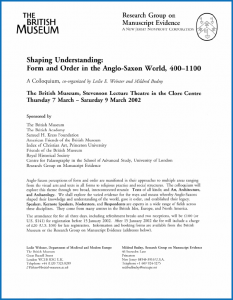
 “Shaping Understanding:
Form and Order in the Anglo-Saxon World, 400–1100″
A Colloquium held at The British Museum
London
7–9 March 2002
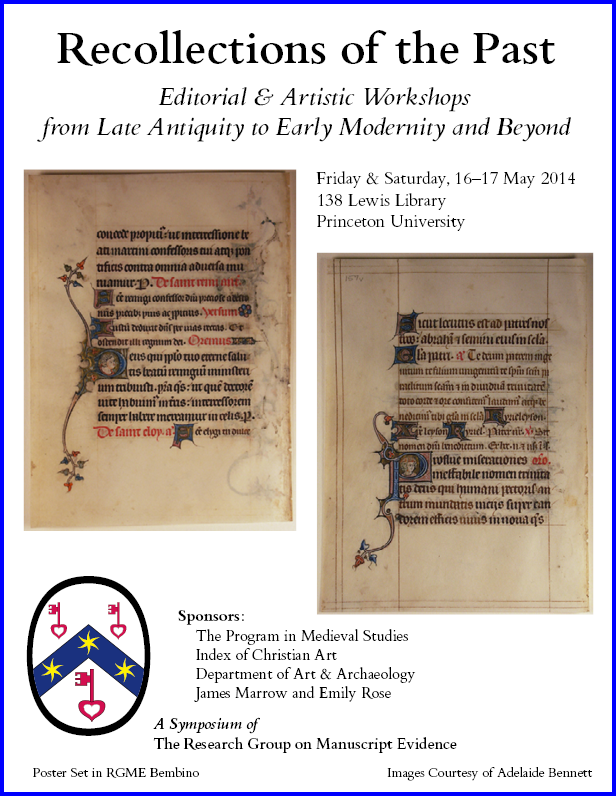
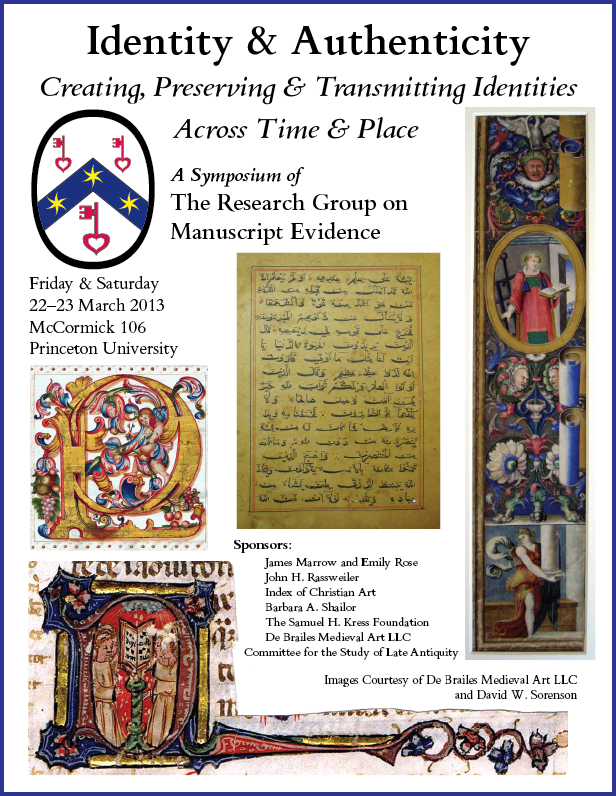
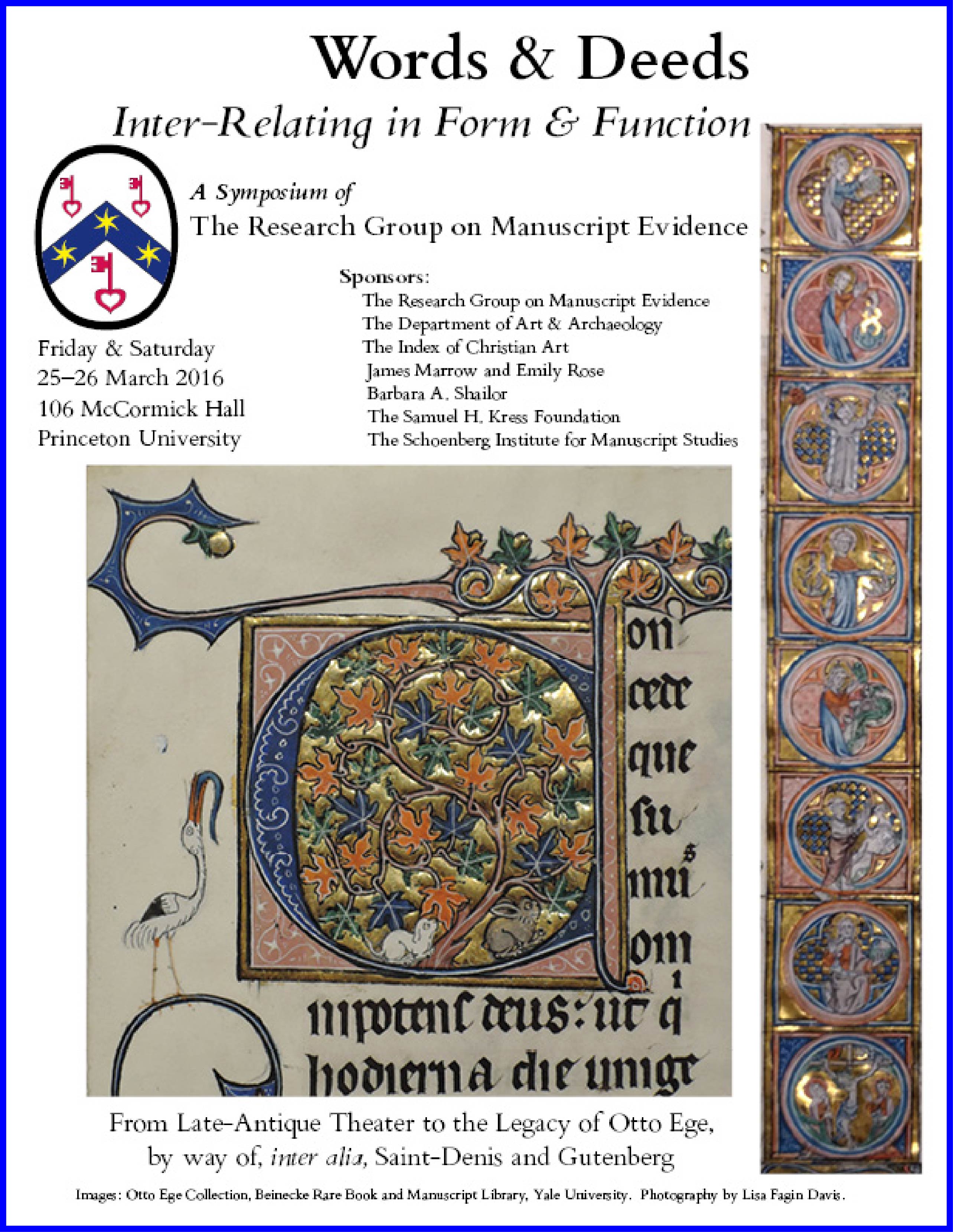
Since 2001, the Research Group has jointly sponsored scholarly meetings, co-organized by Mildred Budny and held at various centers in the United States and elsewhere. These meetings constitute the ‘New Series’ of Symposia, Colloquia, Workshops & Seminars (2001–).
Following the move of our principal base to the United States in October 1994, the ‘New Series’ began with the Annual Symposia on “The Transmission of the Bible” (1995–2000). Then it moved to events devoted to various topics, biblical and other subjects included. Among them: “Form and Order in the Anglo-Saxon World” (2002) at The British Museum.
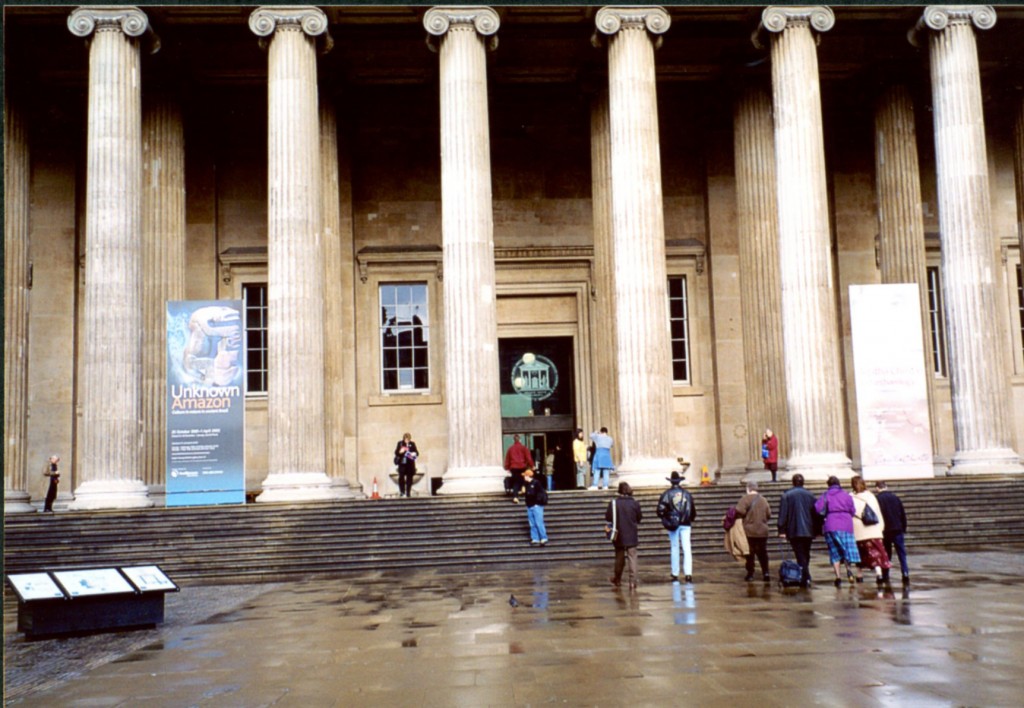
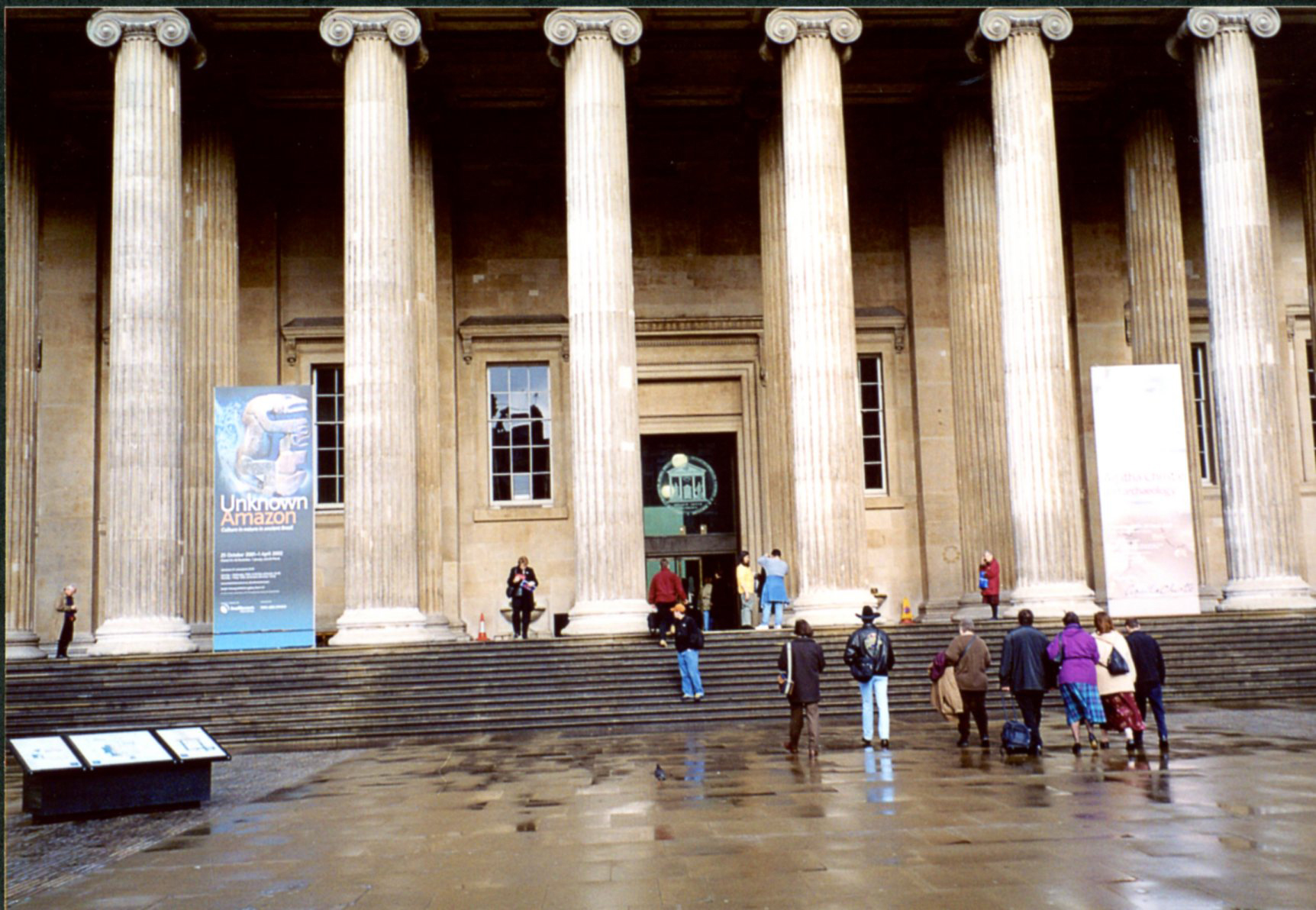
Front Entrance to the British Museum on 10 March 2002. Photograph © Mildred Budny.
*****
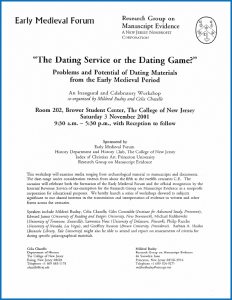 First in this New Series came
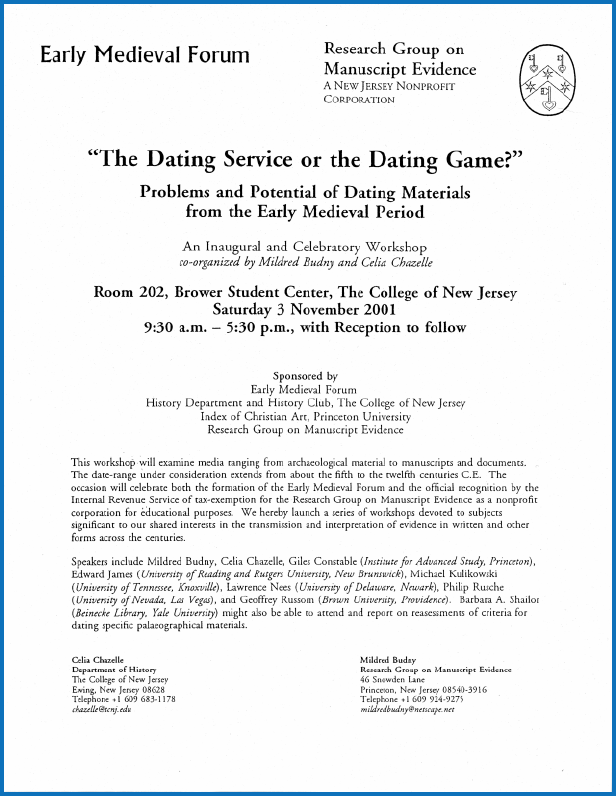
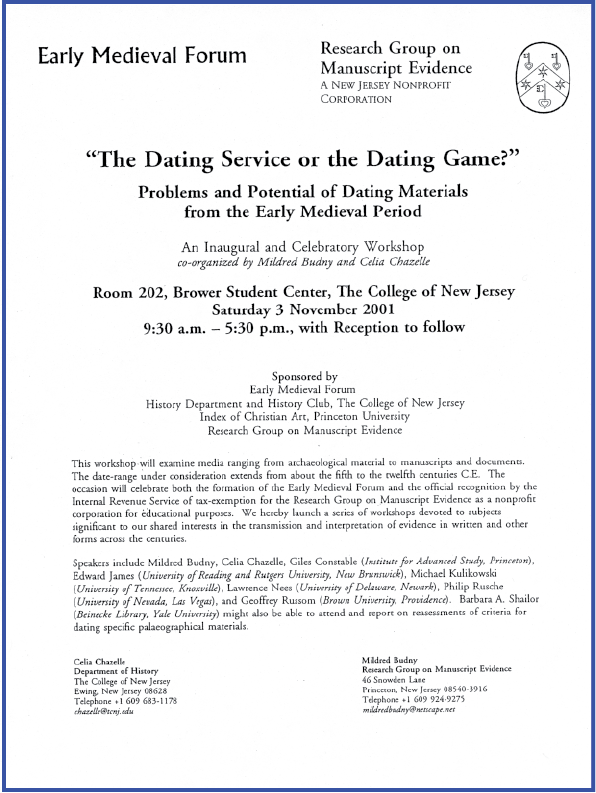
” ‘The Dating Service or the Dating Game?’
Problems and Potential of Dating Materials from the Early Medieval Period”
An Inaugural and Celebratory Workshop
(The College of New Jersey, November 2001),
inaugurating a series of workshops and celebrating
both the formation of the Early Medieval Forum and
the recognition for the Research Group on Manuscript Evidence of tax-exempt status
as a Section 501(c)(3) nonprofit organization.
Co-organized by Celia Chazelle and co-sponsored by the Early Medieval Forum, the Index of Christian Art of Princeton University, and the History Department and History Club of The College of New Jersey, the Workshop was held at The College of New Jersey, Ewing, New Jersey, in November 2001. Information about the interests, activities, and listserv of the Early Medieval Forum appears on its website: Early Medieval Forum. Information about this Workshop appears on its own page.
*****
“Form and Order” Colloquium
at the British Museum
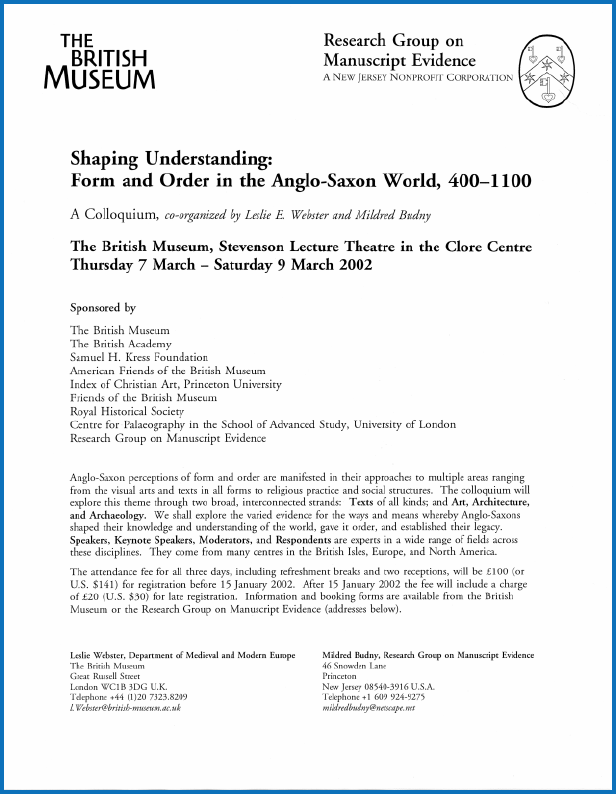 Next came the British Museum Colloquium, which extended across 3 days in March 2002.
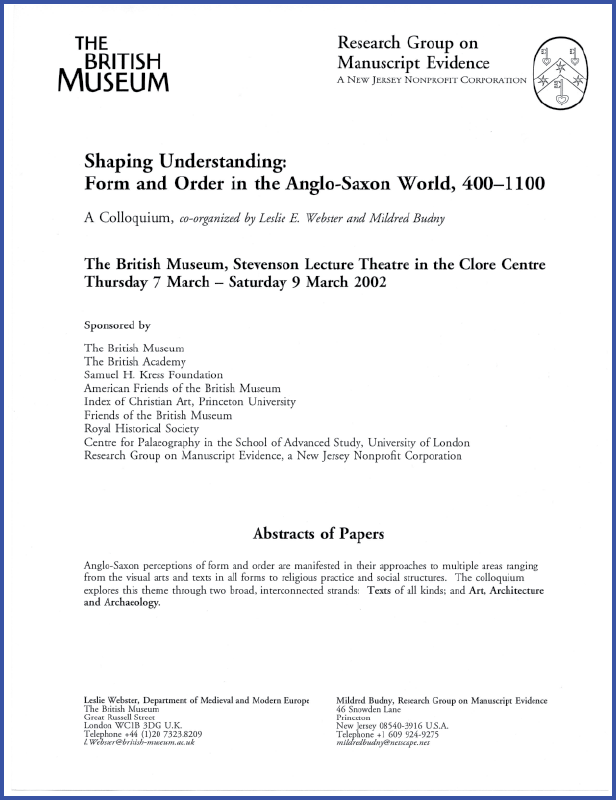
Besides co-organizing the event, the Research Group prepared the printed announcements, Poster, Booking Form, Program, and Booklet containing the “Abstracts of Papers”. All are set in Adobe Garamond and laid out according to our Style Manifesto.
“Shaping Understanding: Form and Order in the Anglo-Saxon World, 400–1100”
A Colloquium
Co-organized by Leslie E. Webster and Mildred Budny
Sponsored by
- The British Museum
- The British Academy
- Samuel H. Kress Foundation
- American Friends of the British Museum
- Index of Christian Art, Princeton University
- Royal Historical Society
- Centre for Palaeography
in the School of Advanced Study of the University of London
- Research Group on Manuscript Evidence
The Colloquium was held at the Clore Centre of The British Museum in London in March 2002.
The Plan
We described it this way for the Announcement:
Anglo-Saxon perceptions of form and order are manifested in their approaches to multiple areas ranging from the visual arts and texts in all forms to religious practice and social structures. The colloquium will explore this theme through two broad, interconnected strands: Texts of all kinds, and Art, Architecture, and Archaeology. We shall explore the varied evidence for the ways and means whereby Anglo-Saxons shaped their knowledge and understanding of the world, gave it order, and established their legacy. Speakers, Keynote Speakers, Moderators, and Respondents are experts in a wide range of fields across these disciplines. They come from many centres in the British Isles, Europe, and North America.
The Speakers (in Order of Appearance)
Simon D. Keynes (Trinity College and Department of Anglo-Saxon, Norse, and Celtic, University of Cambridge)
“The ‘Grand Combinations’ of the Anglo-Saxons”
 Noël Adams (London)
“Revival or Continuity? Fifth-Century Elements in the Sutton Hoo Garnet Cloisonné”
Angela Evans (Department of Medieval and Modern Europe, British Museum)
“Innovation and Decline: Garnet Cloisonné in Early Anglo-Saxon England’
Tania Dickinson (Department of Archaeology, University of York)
“Medium and Message in Early Anglo-Saxon Animal Art: Some Observations on Salin’s Style I in England”
John Hines (School of History and Archaeology, Cardiff University)
“The Predictable Wanderer: Individuality and Conformity in Anglo-Saxon England”
 Michael Ryan (Chester Beatty Library, Dublin)
“Some Irish Liturgical Spaces”
Susan Youngs (Department of Medieval and Modern Europe, British Museum)
“The Past in the Present: Celtic Art in Insular Ornament”
James Graham-Campbell (Institute of Archaeology, University College, London)
“Shaping and Reshaping: Aspects of Late Anglo-Saxon and Viking Art”
Alan Thacker (Institute of Historical Research, University of London)
“Bede and the Ordering of Understanding”
Wesley M. Stevens (Department of History, University of Winnipeg)
“En Route with Bedan Cosmology”
 Helen Gittos (The Queen’s College, Oxford)
“Liturgy and Sacred Space in Anglo-Saxon England”
Richard Bailey (Department of English, University of Newcastle)
“Anglo-Saxon Art: Some Orderings and Their Meanings”
Jane Hawkes (Centre for Medieval Studies, University of York)
“The Church Triumphant: The Figural Columns of Early Ninth-Century Angl0-Saxon England”
 Carol Farr (London)
“The Sign at the Cross-Roads: The Matthean Nomen sacrum in Gospelbooks before King Alfred”
Nancy Netzer (Department of Fine Arts and McMullen Art Museum, Boston College)
“Framing the Book of Durrow Inside/Outside the Anglo-Saxon World”
Joyce Hill (School of English, University of Leeds)
“Anglo-Saxon Perspectives on Liturgical Order”
Mildred Budny (Research Group on Manuscript Evidence, Princeton)
“Balanced Asymmetry as a Hallmark of Ninth-Century Anglo-Saxon Art”
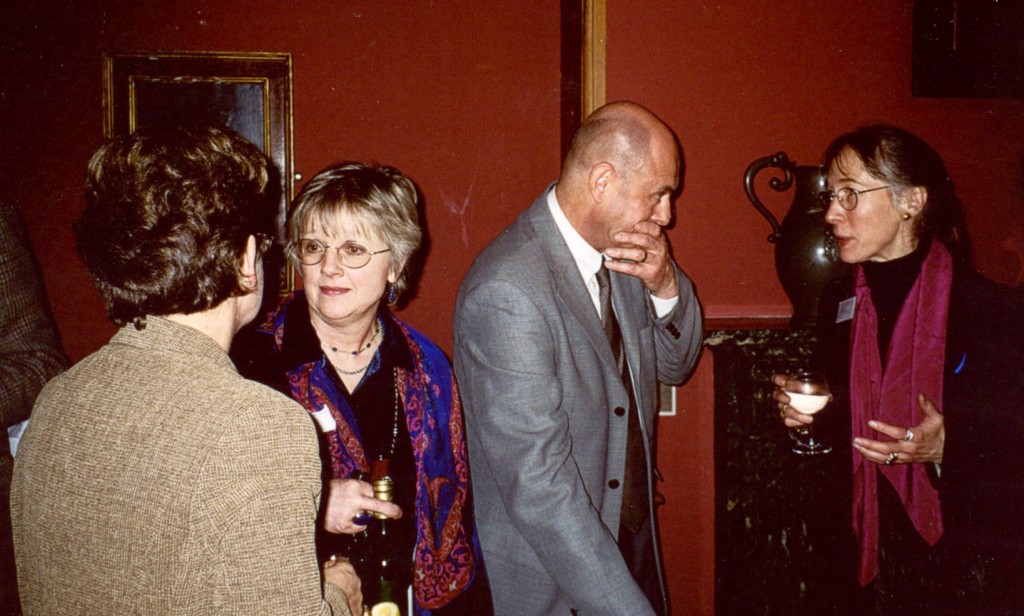 David Ganz (Departments of English and Classics, King’s College, and
Centre for Palaeography in the School of Advanced Study, University of London)
“Anglo-Saxon Reception of Carolingian and Ottonian Books”
Michael Wood (London)
“King Athelstan’s Imperium and the (Re-)Ordering of Anglo-Saxon England”
 [Olivier Szerwiniack (Faculté des Lettres, Université de Picardie Jules Verne, Amiens)
“Shaping an Historical Event: The Anglo-Saxons’ Arrival in Great Britain According to Anglo-Saxon and Britonic Historians”
Note: Olivier did not attend the Colloquium to present his paper]
 Richard Gameson (School of History, University of Kent at Canterbury)
“The Last Chi-Rho in the West: From Insular to Anglo-Saxon in the Boulogne 10 Gospels”
Elizabeth M. Tyler (Centre for Medieval Studies, University of York)
“Facta velut infecta: History, Vergil and the Encomium Emmae Reginae”
Geoffrey Russom (Department of English, Brown University, Providence)
“The ‘Orchestration’ of Verse Patterns in Old English Meter”
 Robert D. Stevick (Department of English, University of Washington, Seattle)
“Accumulated Geometry: Harmony of Form in Anglo-Saxon Texts and Design”
Philip Rusche (Department of English, University of Nevada, Las Vegas)
“Order and Design in Anglo-Saxon Glossaries”
John Higgitt (Department of Fine Art, University of Edinburgh)
“Emphasis and Visual Rhetoric in Anglo-Saxon Inscriptions”
David Parsons (School of English Studies, University of Nottingham)
“Recasting the Anglo-Saxon Runes”
Anna Gannon (Department of Coins and Medals, British Museum, and Lucy Cavendish College, Cambridge)
” . . . And Pretty Coins All in a Row”
 Andy Orchard (Centre for Medieval Studies, University of Toronto)
“Enigma Variations: Mutual Influence in the Anglo-Latin and Old English Riddle Traditions:
Leslie E. Webster (Department of Medieval and Modern Europe, British Museum)
” ‘Learned Games’: The Ludic Principle in the Visual Arts”
David Howlett (Dictionary of Medieval Latin from British Sources, Oxford)
“Letter and Number and Musical Note: Literary Languages and Cosmic Order”
Dáibhí Ó Cróinín (School of History, National University of Ireland, Galway)
“Irish Manuscripts and Anglo-Saxon Studies: The CALAMUS Project”
 Patrick Wormald (Wolfson College, Oxford)
“The Power of Command: Pre-Conquest England as a Developing ‘State’ ”
Moderators
David M. Wilson (Isle of Man)
Carol Neuman de Vegvar (Department of Fine Arts, Ohio Wesleyan University, Delaware, Ohio)
Rosamond McKitterick (Newnham College and Faculty of History, University of Cambridge)
Rosemary Cramp (Department of Archaeology, Durham University)
Janet L. Nelson (Department of History, King’s College, London)
Giles Constable (School of Historical Studies, Institute for Advanced Study, Princeton)
Richard Marsden (School of English Studies, University of Nottingham)
Raymond Page (Corpus Christi College, Cambridge)
Carin Ruff (Department of English, John Carroll University, University Heights, Ohio)
The 5-page Program lists the order of the proceedings, refreshments and receptions included. The 14-page Booklet provides the Abstracts of Papers. We include both of them here.
Written Records
Abstracts of the thirty-three papers presented at the Colloquium were published in print for distribution at the Colloquium. They are also available online, as described in the list of Publications.
The Abstracts alone, without reference to the Research Group (which provided their texts), were reprinted in double-column layout in the Old English Newsletter, 35:3 (Spring 2002), A-5–A-15, and now available online.
The Abstracts of Papers [compiled and edited by Mildred Budny] appeared as a Booklet of 14 quarto-size pages, laid out in single columns in Adobe Garamond (Princeton: Research Group on Manuscript Evidence, 2002). Distributed at the event, and circulated afterward, it is now available for download on our site.
The Index of Abstracts of Papers for Events Listed by Year cites the Authors alphabetically for this and other events in the New Series. The Indexes of the Abstracts for Congress Sessions lists the Authors both by year and by name.
*****
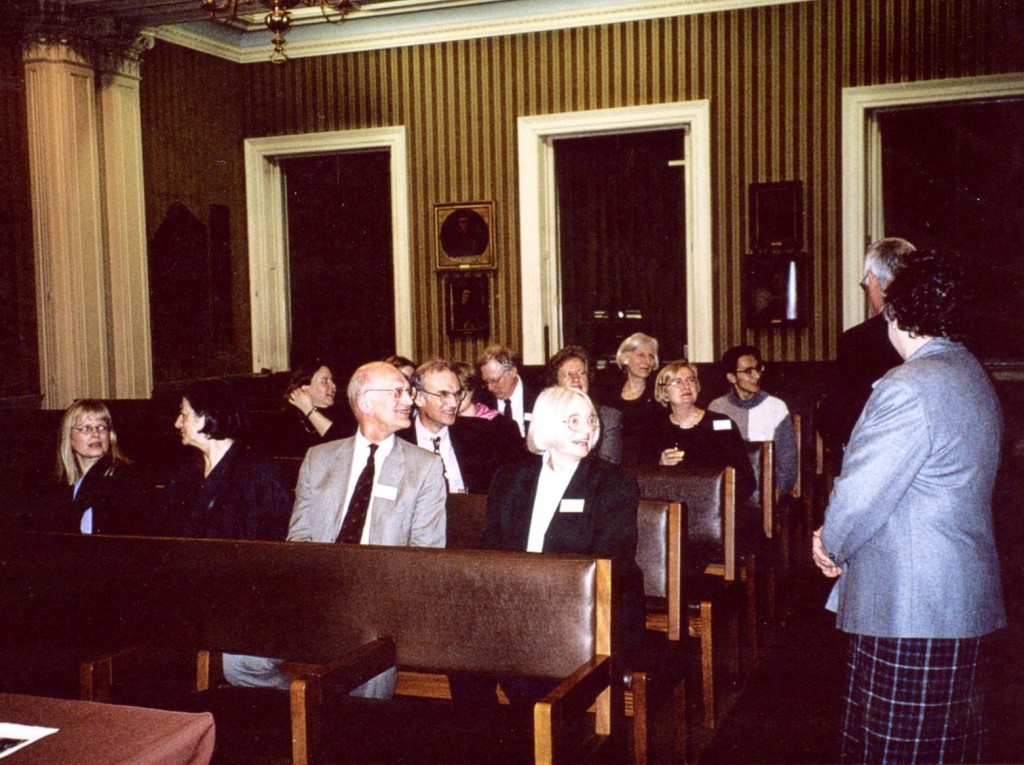
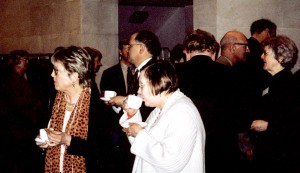
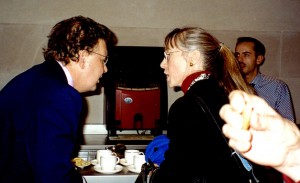
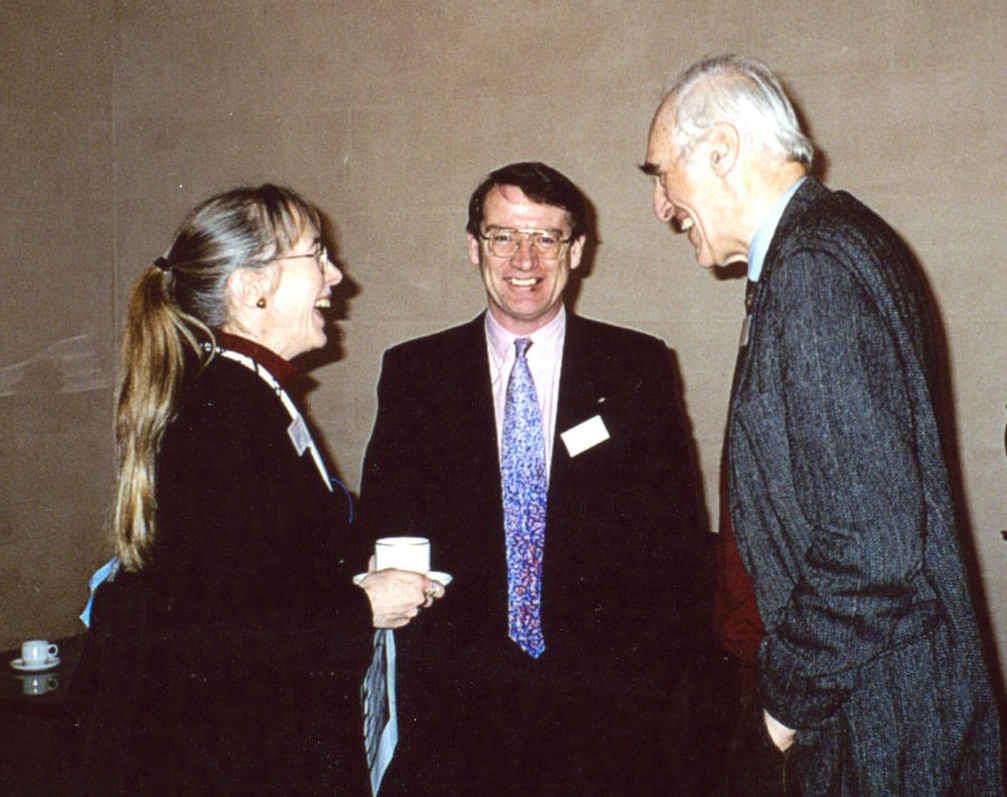
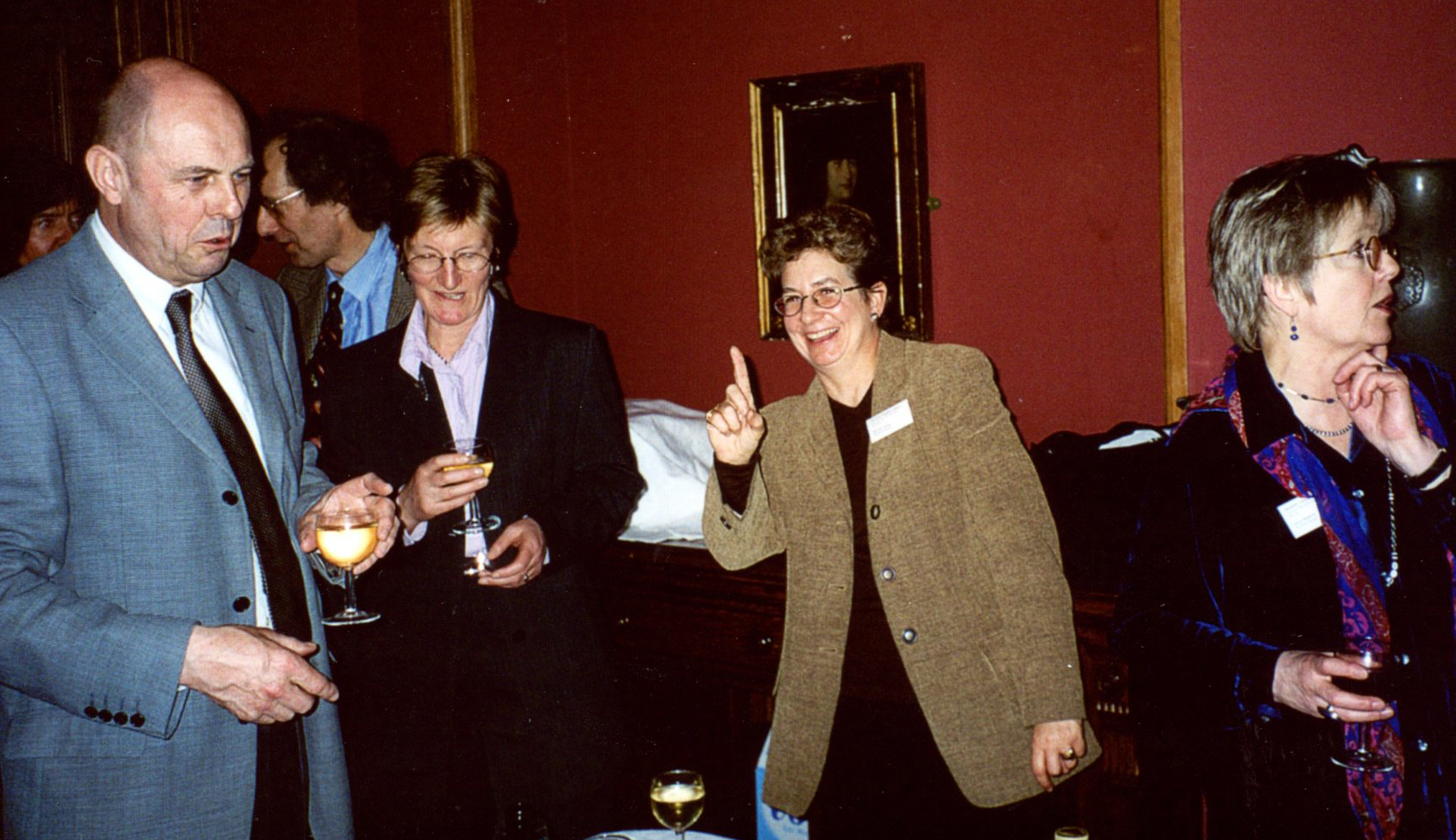
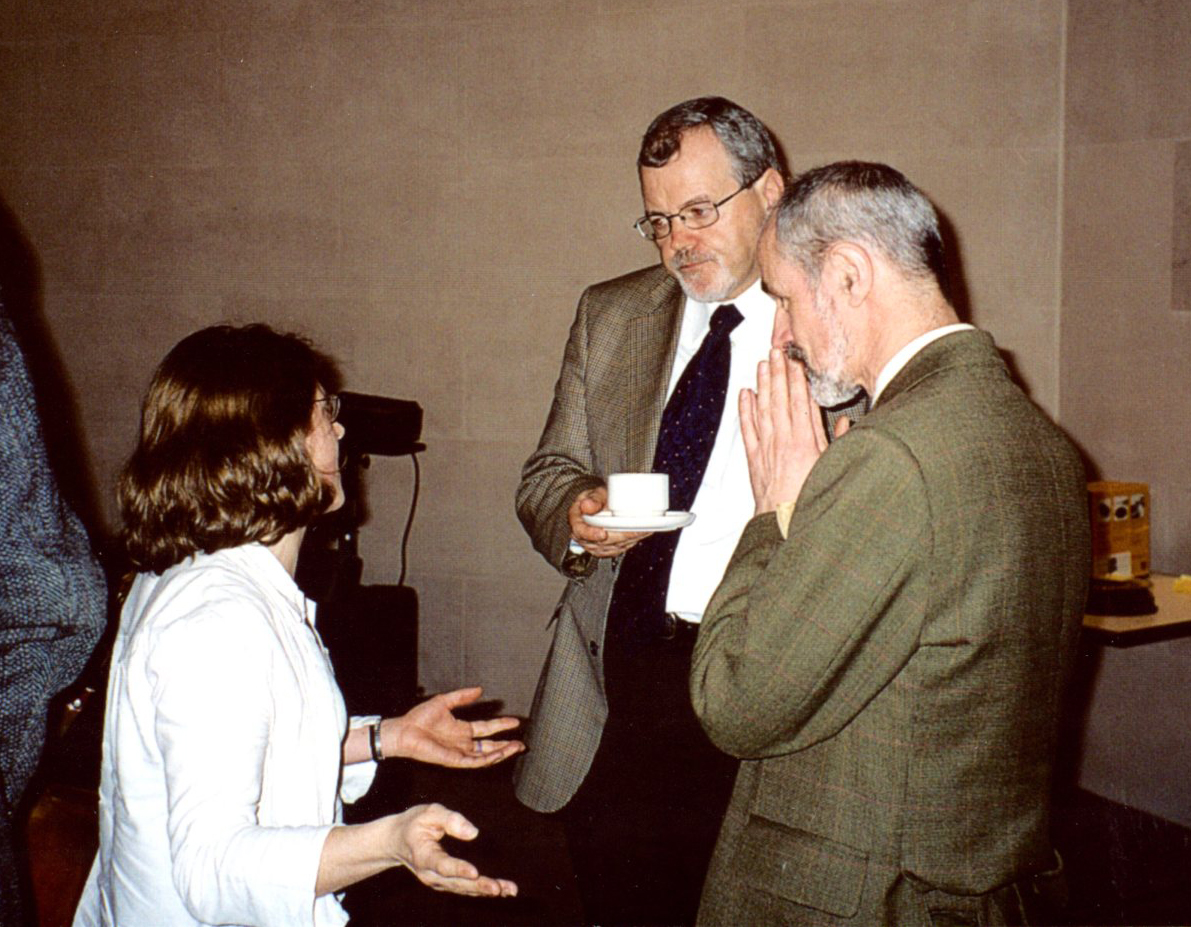
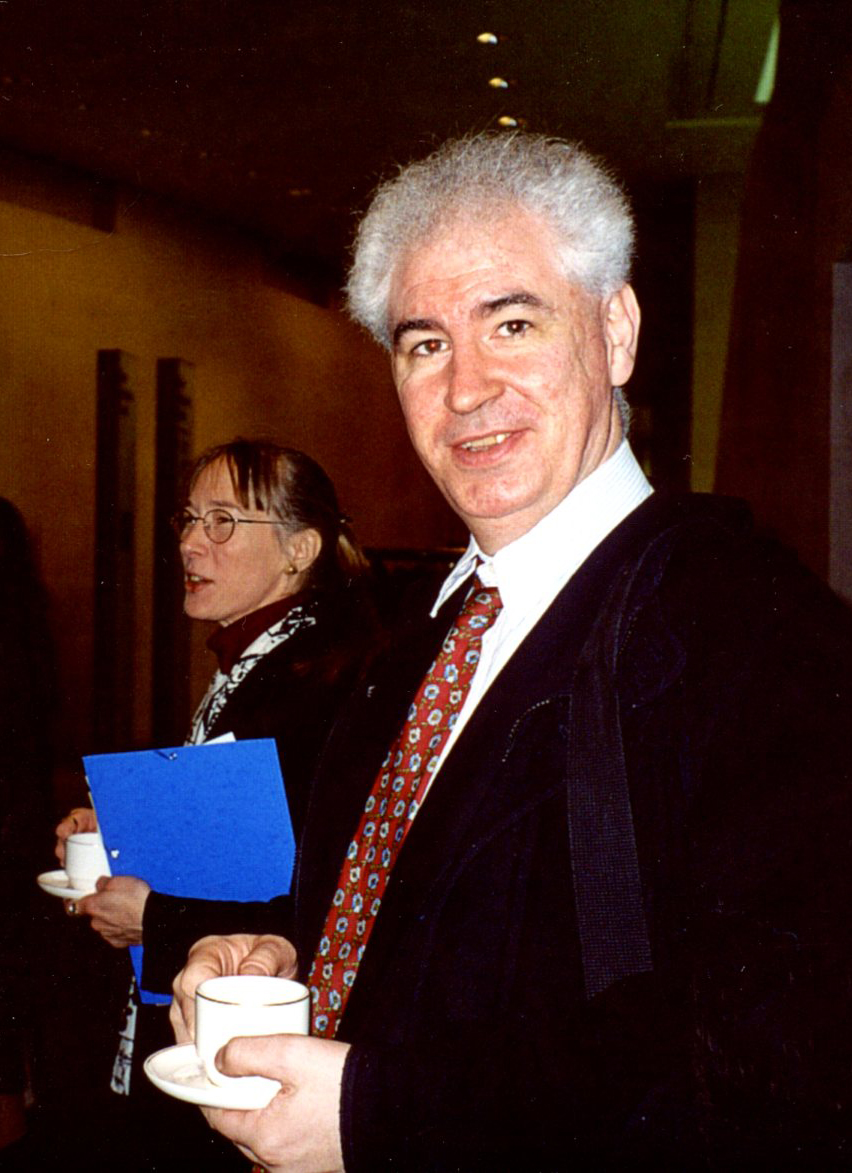
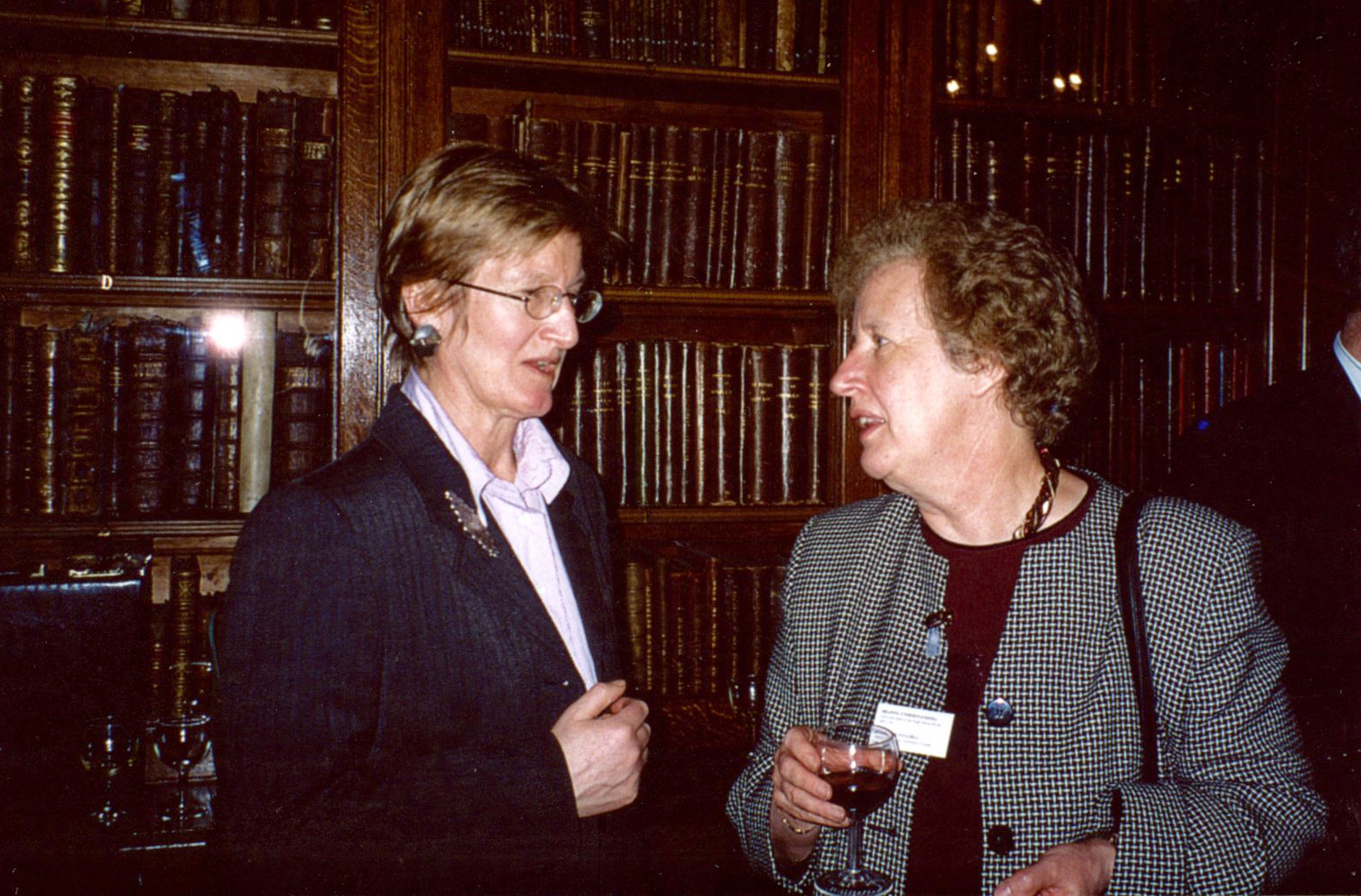
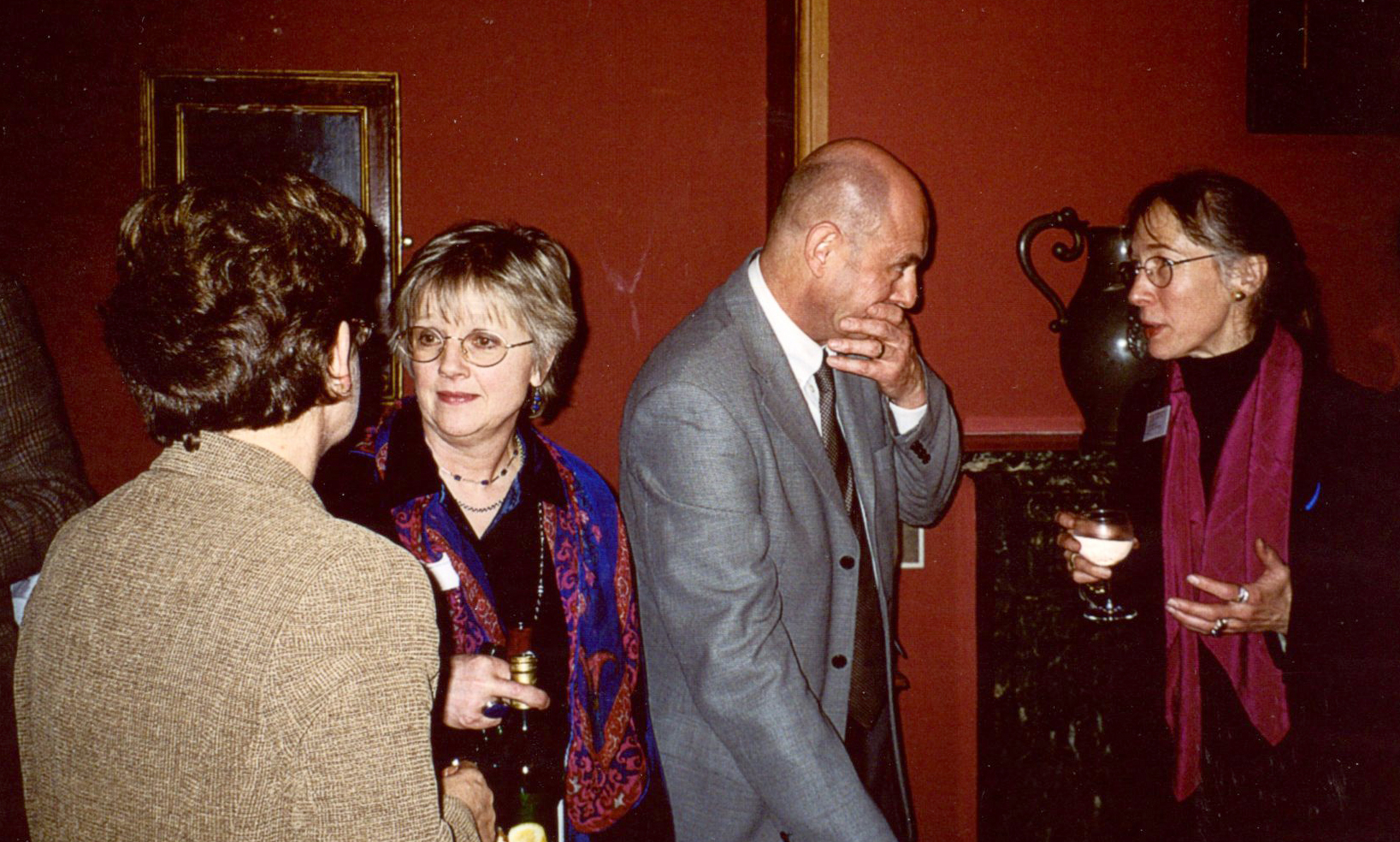
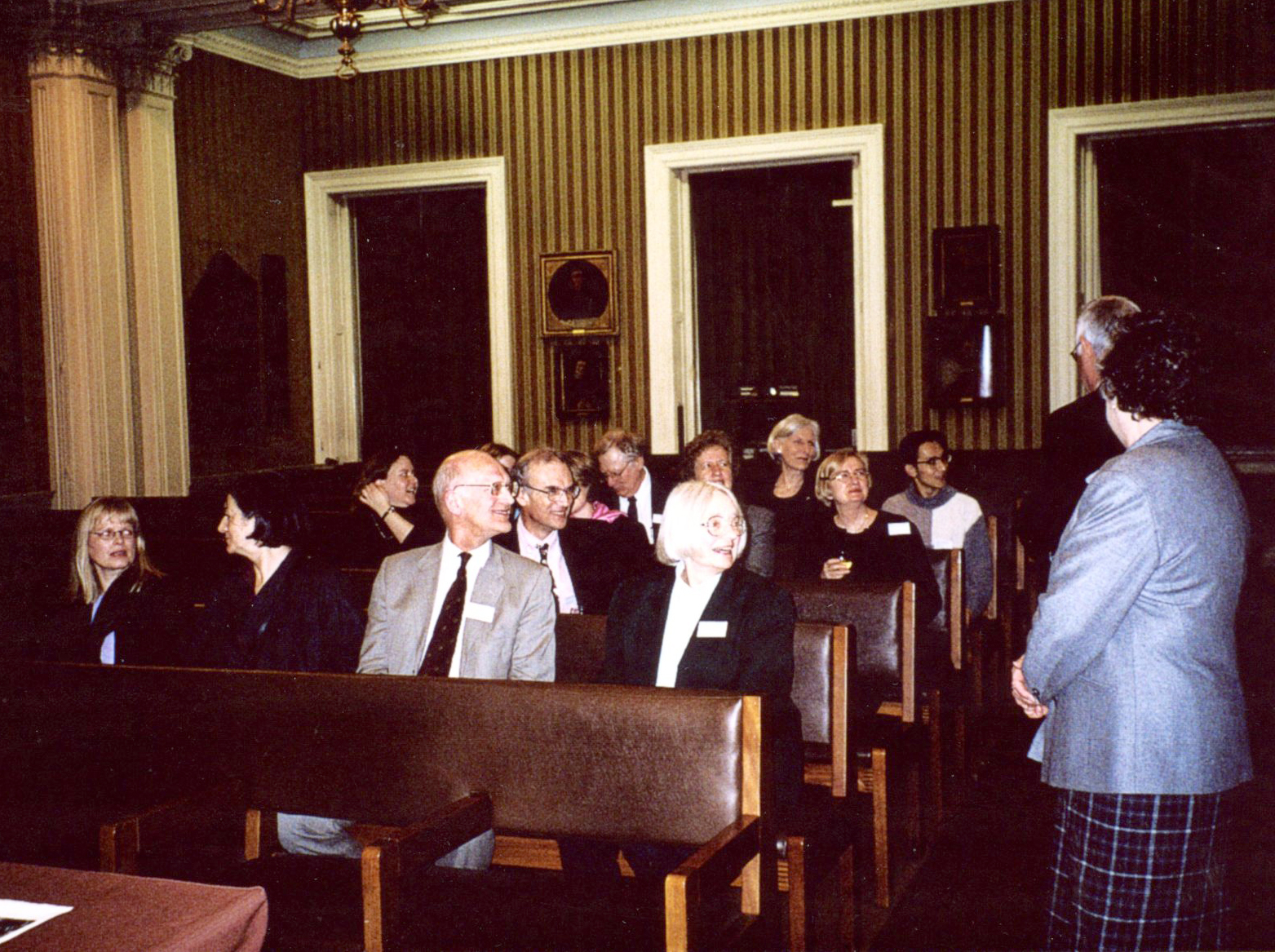
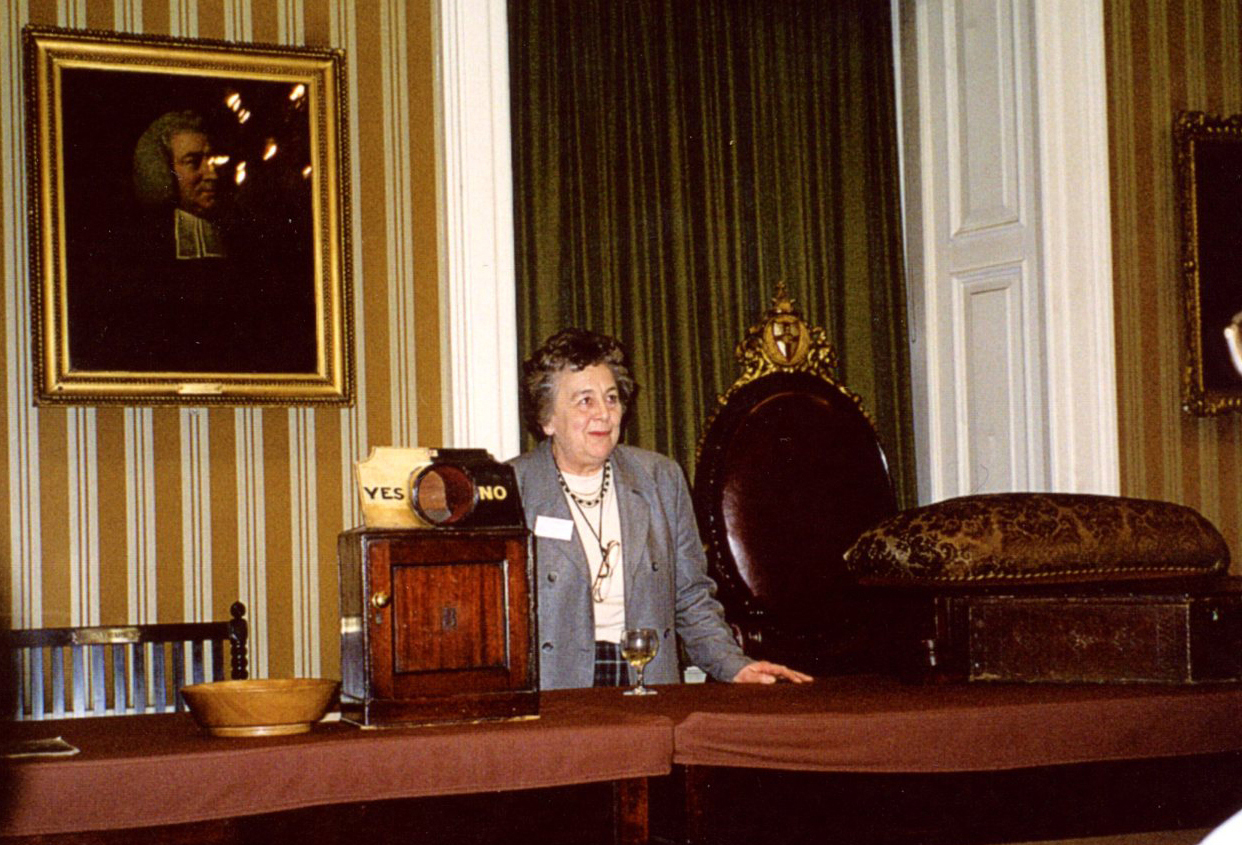
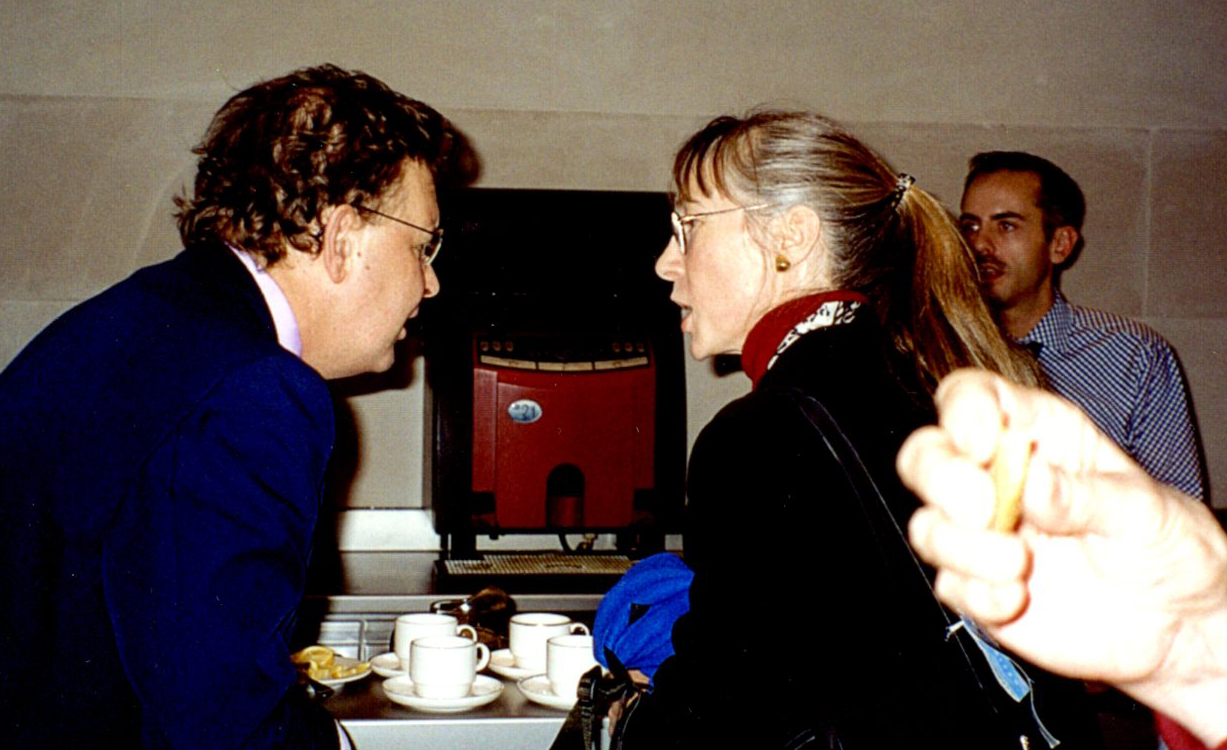
We thank the Organizers, Hosts, Sponsors, and Contributors. The photographs of the event reproduced here were taken by Geoffrey Russom and Mildred Budny.
*****
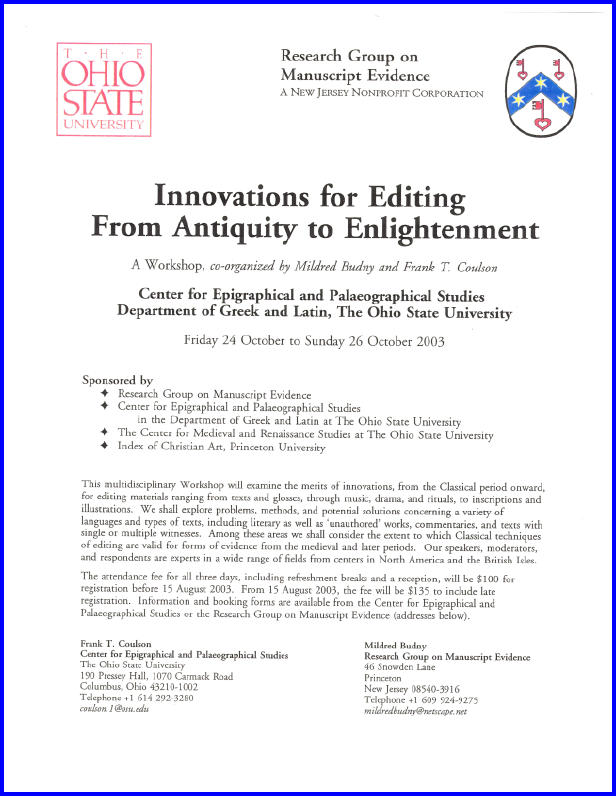
Next came the Colloqium on
“Innovations for Editing Texts from Antiquity to Enlightenment”
(The Ohio State University, October 2003)
Some of the Contributors to the 2001 Dating Game Colloquium and the 2002 British Museum Colloquium also participated in this Colloquium.
Details here
 *****
*****
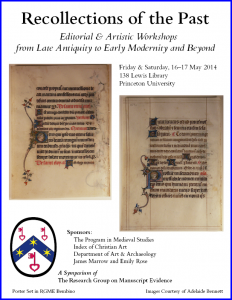
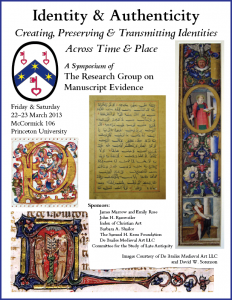
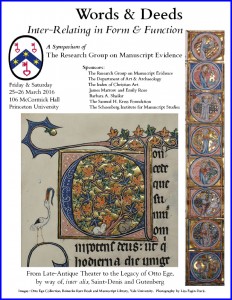
More events continue to follow. Have a look at our Symposia, Colloquia, Workshops & Seminars. Please see also our News & Views.
*****

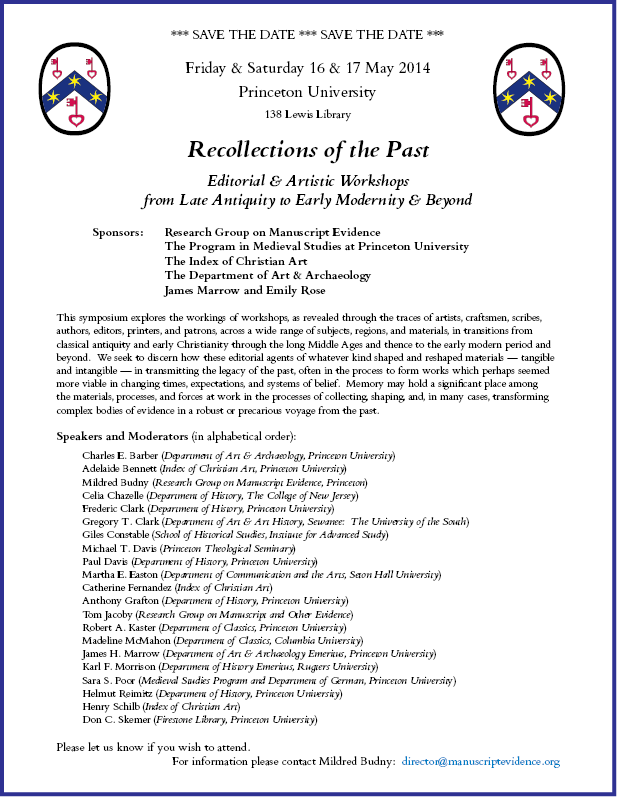
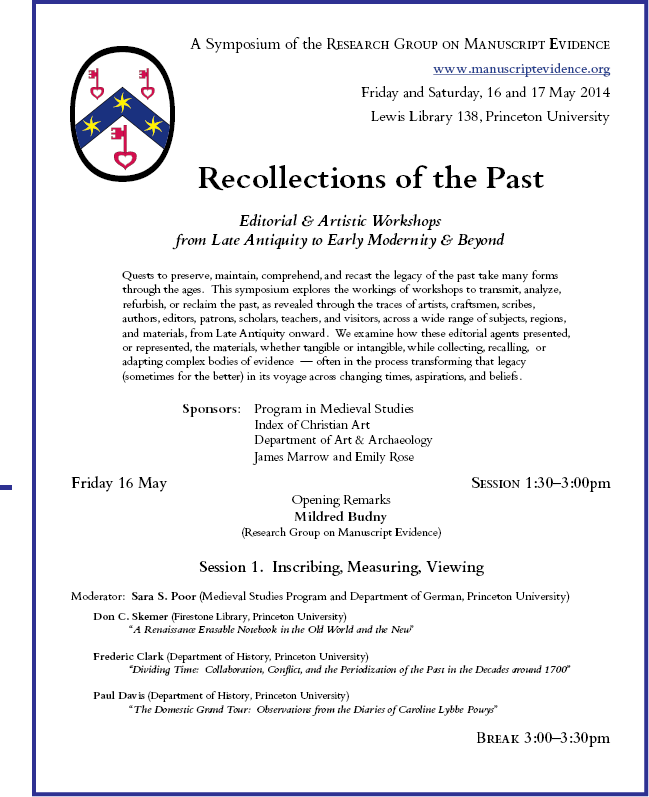
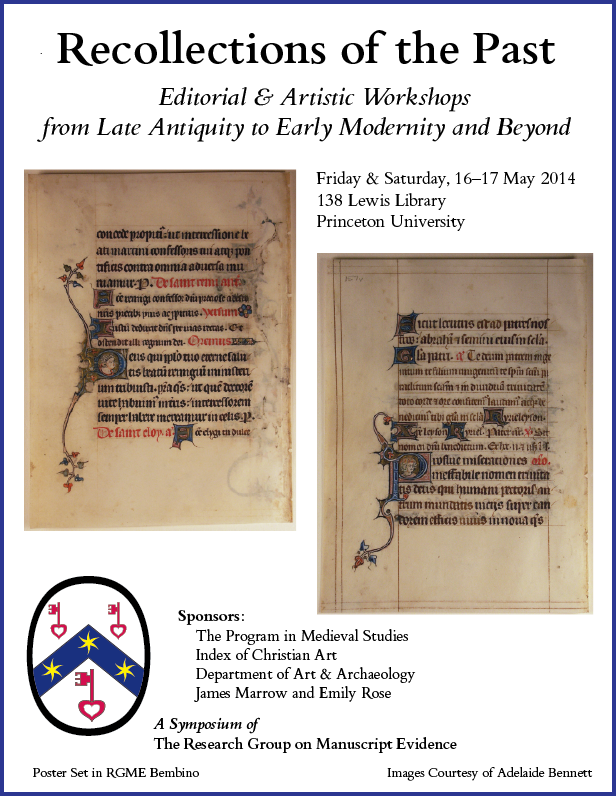

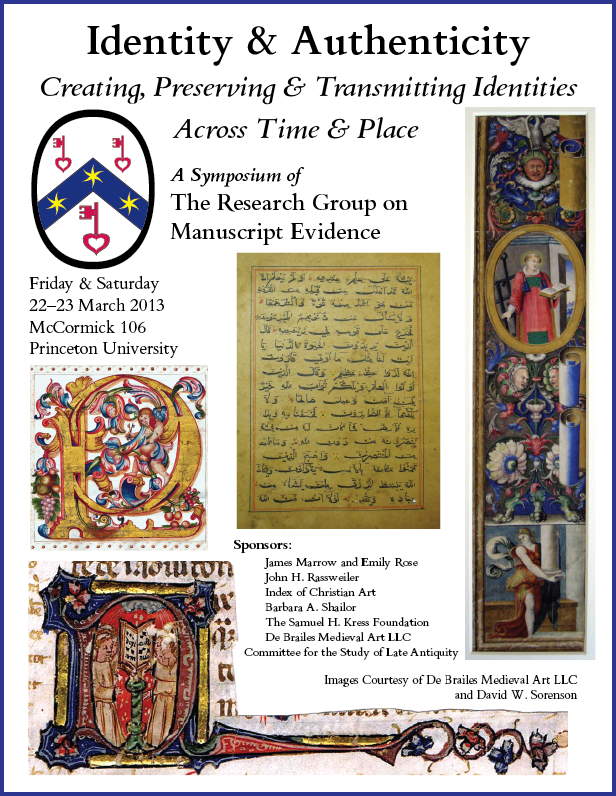
2003 Colloquium on “Innovations for Editing Texts”
January 1, 2014 in Conference Announcement, Events
Since 2001, the Research Group has jointly sponsored scholarly meetings, co-organized by Mildred Budny and held at various centers. These events constitute the New Series of Seminars, Workshops, Colloquia & Symposia.
The series began with
Problems and Potential of Dating Materials from the Early Medieval Period”
an Inaugural and Celebratory Workshop
held at The College of New Jersey (November 2001)
Form and Order in the Anglo-Saxon World, 400–1100”
a Colloquium
held at the British Museum (March 2002)
Then we focused on:
from Antiquity to Enlightenment”
A Colloquium
(The Ohio State University, Columbus, 2003)
Co-organized by Mildred Budny and Frank T. Coulson
Co-sponsored by
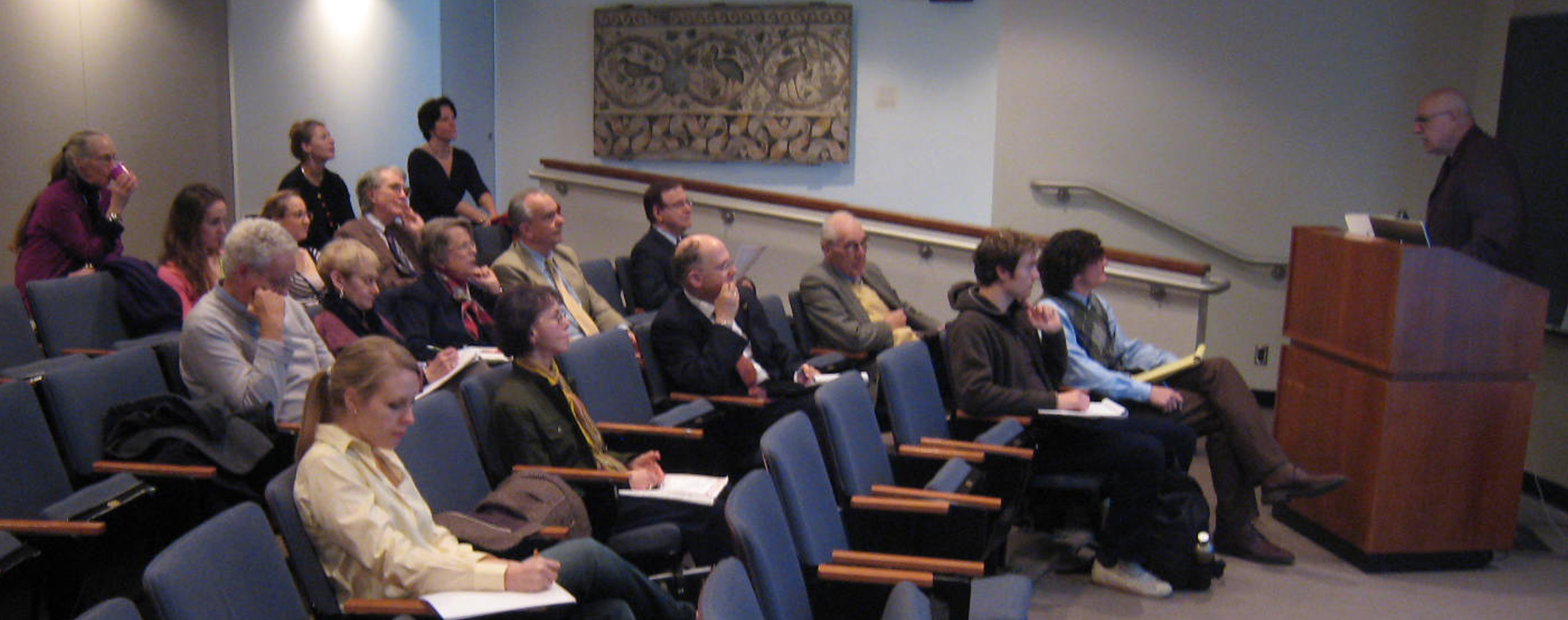
The Colloquium (sometimes also called a Workshop) was held at the Center for Epigraphical and Palaeographical Studies in October 2003.
This multidisciplinary meeting examined the merits of innovations, from the Classical period onward, for editing materials of many kinds, ranging from texts and glosses, through music, drama, and rituals, to inscriptions and illustrations. The assembled experts explored problems, methods, and potential solutions for a variety of languages and types of texts, including literary as well as “unauthored” works, commentaries, and texts with single or multiple witnesses. Among the areas of concern were the extent to which Classical techniques of editing are valid for forms of evidence from the medieval and later periods.
Speakers and Moderators
Introduction and Welcome
Session 1. Historical Texts
Moderator: Barbara A. Hanawalt (Department of History and Center for Medieval and Renaissance Studies,
The Ohio State University)
“Making Frechulf’s Histories“
“Authorial Revisions, Fluid Texts, and Contamination:
The Cases of Eriugena and William of Conches”
” ‘Man is an Animal; Man is Not an Animal’:
How John Scottus Eriugena Edited out Art”
Session 2. Computers, Digitization, and Editing
Moderator: Robert Stevick (University of Washington, Seattle)
“Sweeping the Cutting-Room Floor:
Ordered Visualization of Editorial Scraps in the Electronic Edition”
“Will the Real Edition Please Stand Out?
Negotiating Multiple Textual Representations in Digital Editions”
Longwood University, Farmville, Virginia)
“Options for Future Access:
Web Publishing and Digitizing Old French Texts”
Session 3. Latin Texts
Moderator: Ralph Hexter (Department of Classics, University of California at Berkeley)
” ‘Untrammeled Eclecticism’: Towards a New Text of Sedulius”
“The Catalogus translationum et commentariorum and the Editing of Medieval and Renaissance Commentaries”
“Problems and Challenges in the Editing of Medieval and Renaissance Commentaries”
Gil Renberg (Department of Greek and Latin, The Ohio State University)
“The Unique Text of the Passio S. Perpetuae in Monte Cassino 204 and the Group of Campanian Texts Descended from Late-Antique North African Exemplars”
Session 4. Commentaries, Glossaries, and Glosses
Moderator: Anna A. Grotans (Department of Germanic Languages and Literatures, The Ohio State University)
“Pieces on a Page:
Historical Models and Contemporary Methods of Arranging Commentary and Text”
“Editing Unauthored and Scribal Texts: Problems with Glossaries”
“Issues in Editing Syntactical Glosses”
“Cloning or Transplantation?
Options for Editing 12th-Century Commentaries on the Ars mediocinae (Articella)”
Session 5. English Vernacular Texts
Moderator: Christopher A. Jones (Department of English, The Ohio State University)
“Innovative Scribes and Unstable Texts: The Challenges of Editing Middle English Texts”
“Metrical Emendation in the Anglo-Saxon Poetic Records”
“Drama Manuscripts as Self-Performing Artifacts”
Session 6. Music, Liturgy, and the Visual Arts
Moderator: Carol Neuman de Vegvar (Department of Fine Arts, Ohio Wesleyan University, Delaware, Ohio)
“The Edition of the Gregorian Gradual”
“Editor or Audience? Problems with a Marian Officium“
“Medieval Scribal and Pictorial Editing in the Marvels of the East“
Mildred Budny (Research Group on Manuscript Evidence, Princeton)
“The Once and Future CORPUS Project”
[Note: Thomas H. Ohlgren was unable to attend, so Mildred Budny presented their joint paper.]
Session 7. Anglo-Saxon Manuscripts and Sources
Moderator: Mildred Budny
“Editing and Unediting the Exeter Book: A Textual Analysis”
“Spaced-out Beowulf and Aerated Alexander: A Needlessly Occult Aspect of Editing”
“The Author, the Text, and the Compiler: What’s an Editor to Do When New is Old?”
Concluding Remarks
*****
Photography by Raymond Cormier
*****
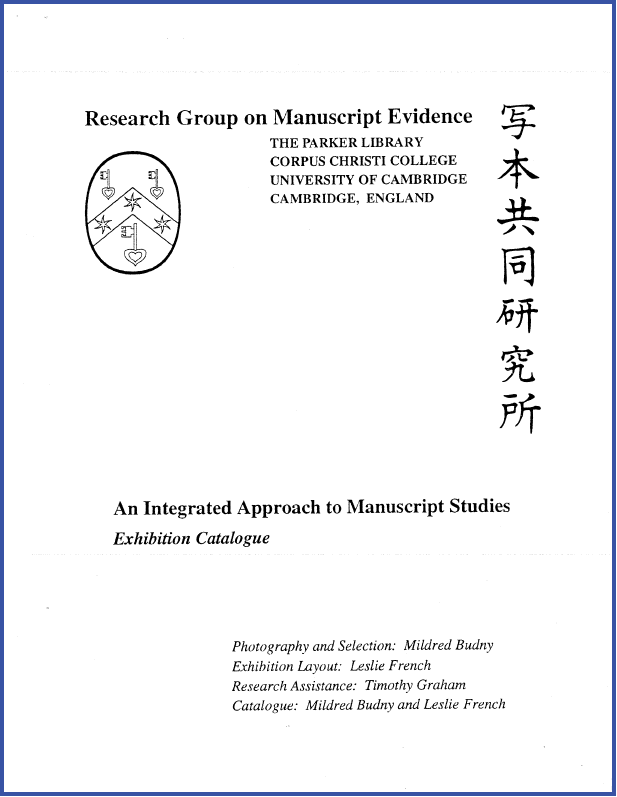
Laid out in Adobe Garamond™ by Leslie French, the Poster, Booking Form, and Program for the Colloquium are available here in pdf:
*****
CORPUS ‘Project Abstract’ (2003), Page 1
Release 1.0 (1994)
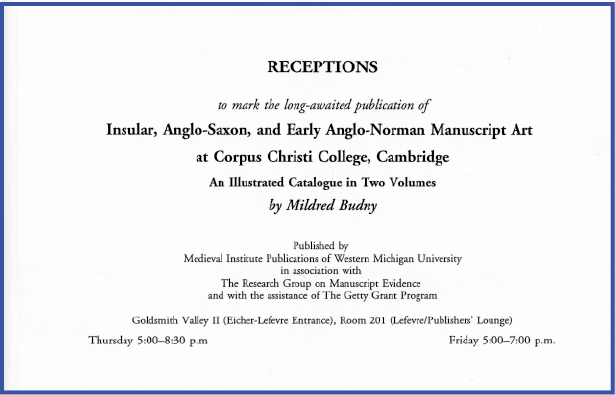
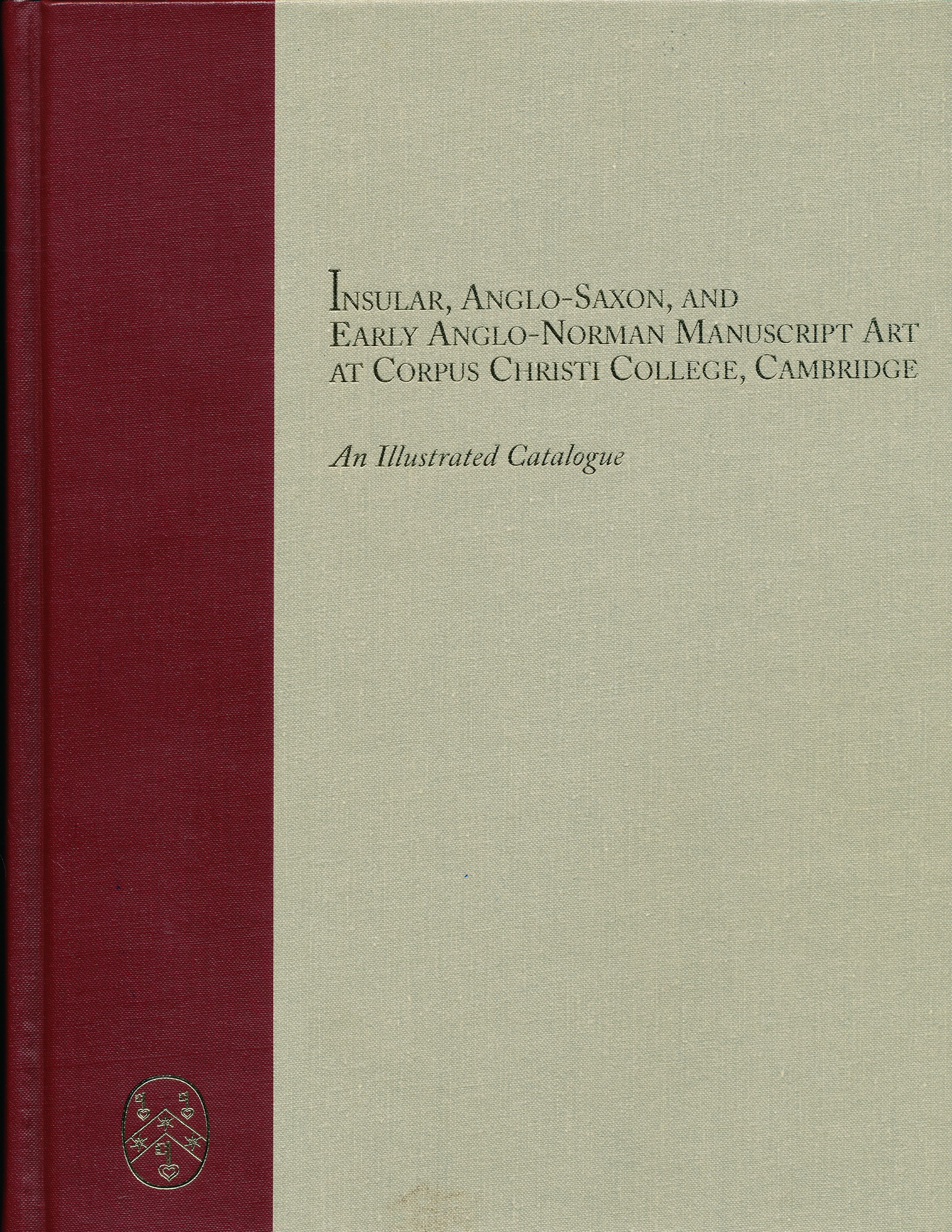
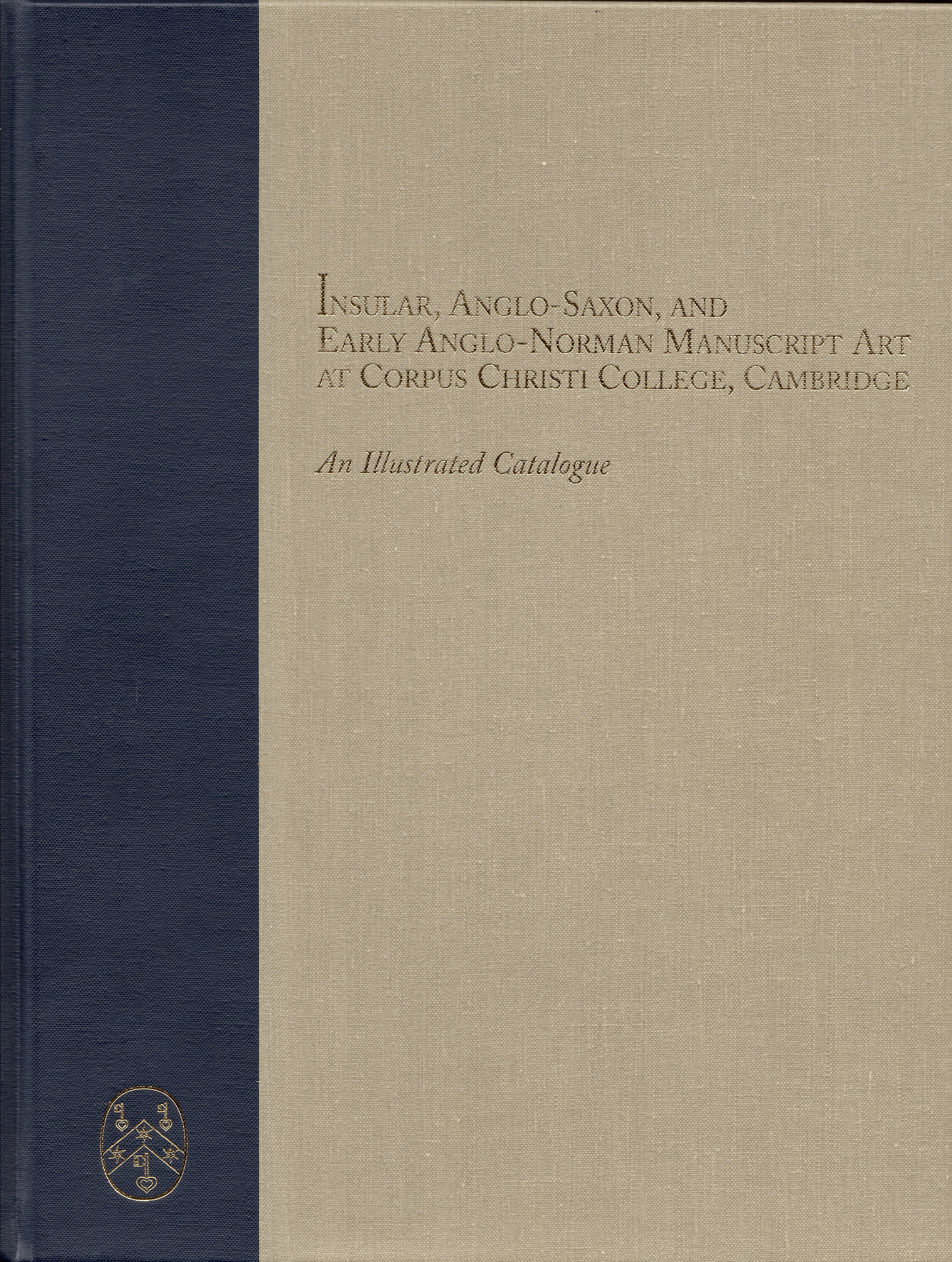
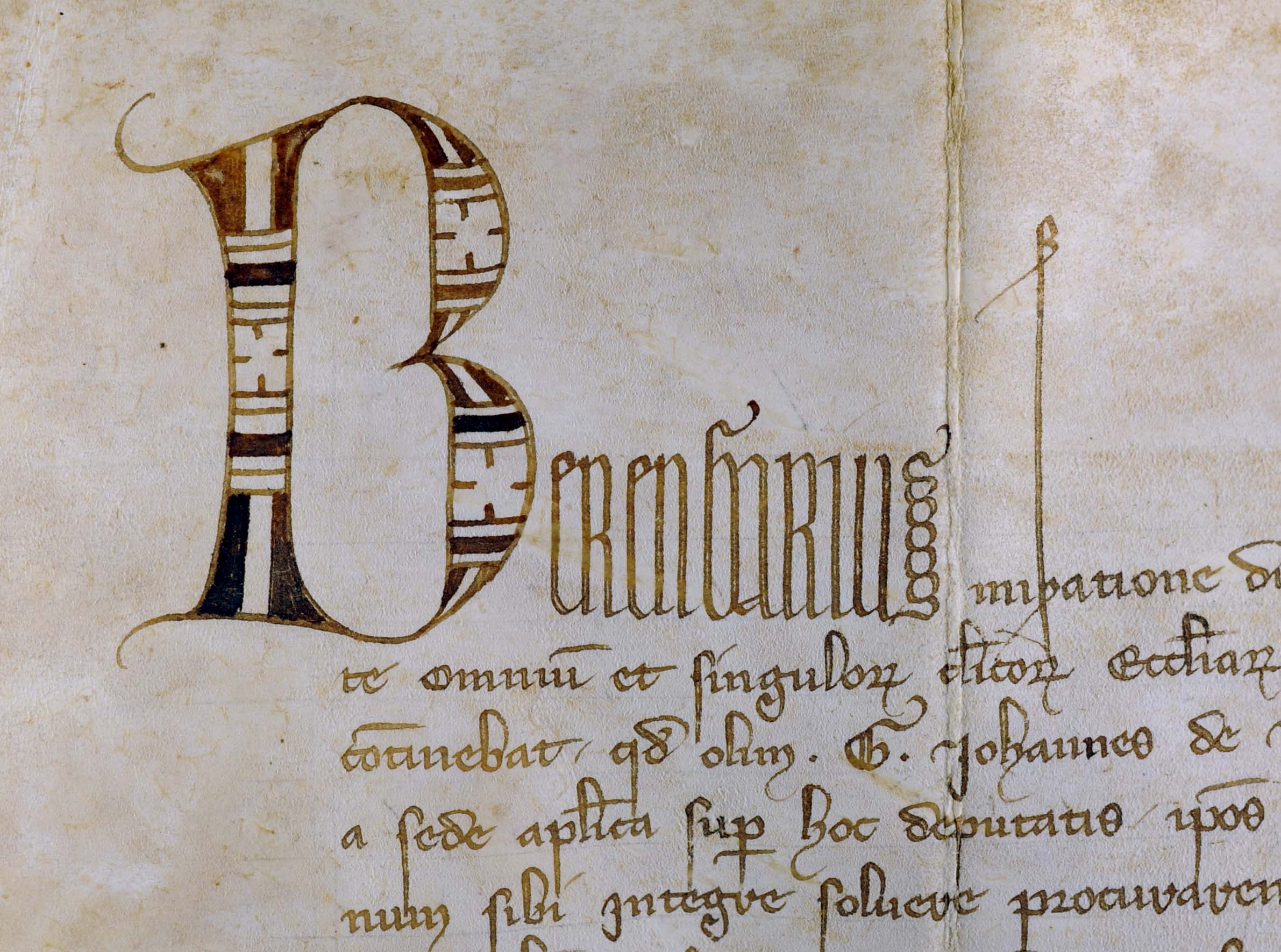
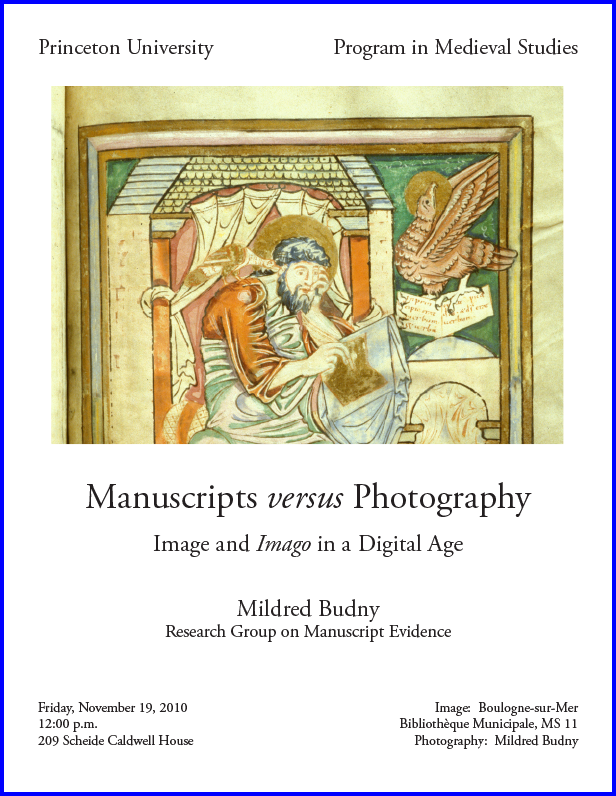
The presentation at the Colloquium reporting the CORPUS of Insular, Anglo-Saxon, and Early Anglo-Norman Manuscript Art represents part of the long-term commitment by the Research Group to this collaborative reference tool which catalogues, indexes, and illustrates the surviving manuscript art of the British Isles for the period 650–1100 CE. In book form, it appeared as Insular and Anglo-Saxon Illuminated Manuscripts: An Iconographic Catalogue, C. A.D. 625 to 1100, compiled and edited by Thomas H. Ohlgren (1986), with contributions by many scholars. By the time of the Colloquium, the project — with Mildred Budny’s permission at Tom Ohlgren’s request — had by 1996 changed its name, inspired by the title of her then-still-forthcoming Illustrated Catalogue (1997). The CORPUS Project Abstract, prepared by Thomas Ohgren and Mildred Budny in late 2002, was circulated as a handout at the Colloqium, and now can be downloaded here.
Thomas Ohlgren’s ‘Iconographic Catalogue’ (1986)
Title Page (1986)
A Report of the “Contributions by the Research Group on Manuscript Evidence” to the project in earlier years was presented by Mildred Budny at the 1993 Congress and published in the Old English Newsletter, Volume 23, Number 3 (1993), A-8 – A-23, now online. By the next year, the revised and expanded HyperText version (Release 1.0) of CORPUS had appeared (1994), followed by further updates behind the scenes over the succeeding years leading to the Project Abstract as presented at the Ohio State Colloquium.
*****
This Colloquium/Workshop expanded the subject of one of the Sessions sponsored by the Research Group at the 2003 Congress in May.
After this Colloquium, for the next few years, the Research Group concentrated on
The resumption of Symposia and similar Events began with
More of them followed in time. See the New Series.
*****
Tags: Anglo-Saxon Poetic Records, Ars medicinae, Beowulf, Catalogus translationum et commentariorum, Center for Epigraphical and Palaeographical Studies, CORPUS Project, Digital Editions, Editing Glossaries, Editing Middle English Texts, Electronic Editions, Exeter Book of Old English Poetry, Frechulf's Histories, Gregorian Gradual, History of Editing, Index of Christian Art, Index of Christian Art at Princeton University, John Scottus Eruigena, Letter of Alexander to Aristotle in Beowulf Manuscript, liturgico-canonical texts, Marian Officinum, Marvels of the East, Medieval Drama Manuscripts, Metrical Emendation, Monte Cassino MS 204, Old English Newsletter, Old French Texts, Passio Sanctae Perpetuae, Sedulius, Syntactical Glosses, The Center for Epigraphical and Palaeographical Studies, The Ohio State University, William of Conches
No Comments »